
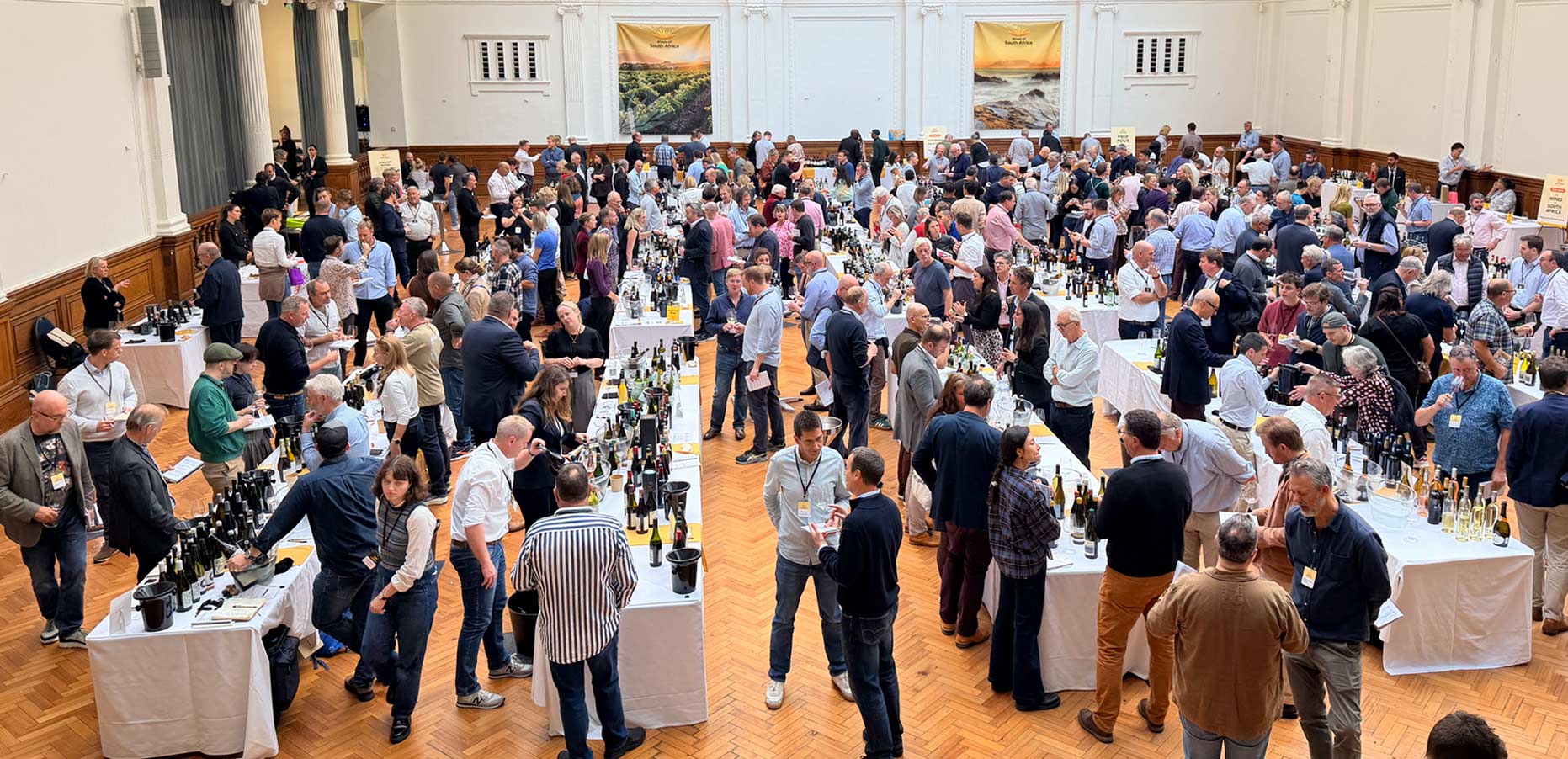
South African wine was firmly in the spotlight at the Welcome to the Wines of South Africa 2026 Trade Tasting, held in London on 13 October. The event offered an opportunity to explore the diversity, character and growing confidence of the country’s wine industry, from elegant Cap Classique sparkling wines to expressive cool-climate whites and structured Stellenbosch reds.
One of the most exciting aspects of South African wine is its sheer range of styles. The country’s varied landscapes, coastal influences and distinctive vineyard sites continue to inspire wines that balance freshness, individuality and a strong sense of place.
Bubbles with personality: Cap Classique
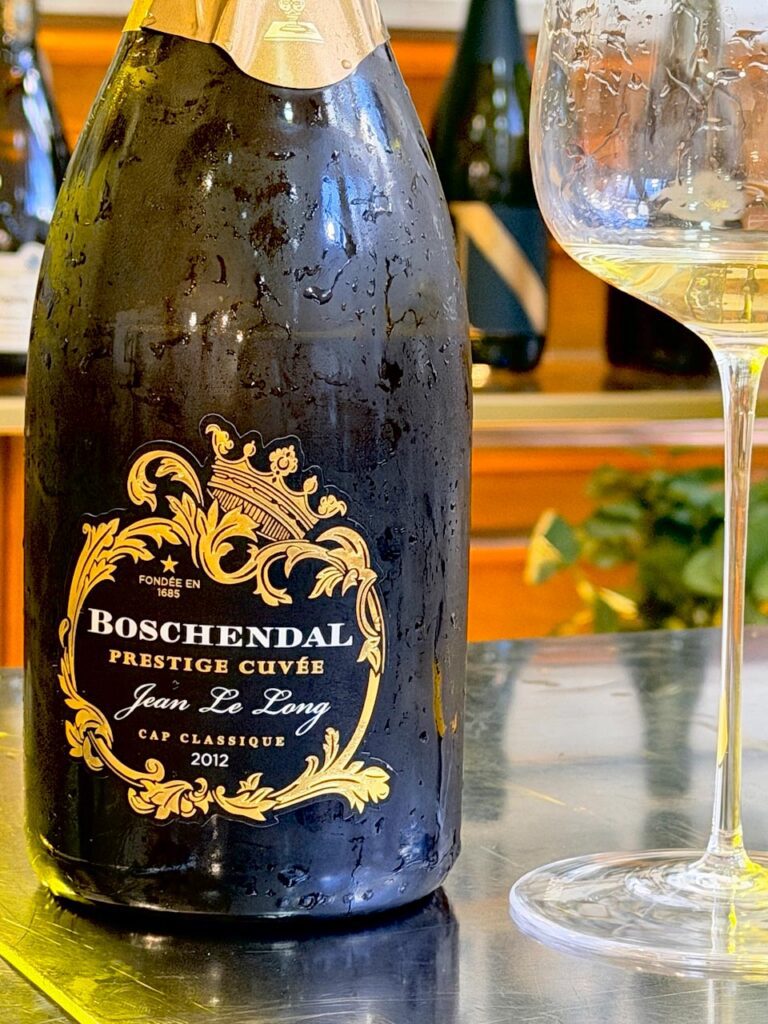
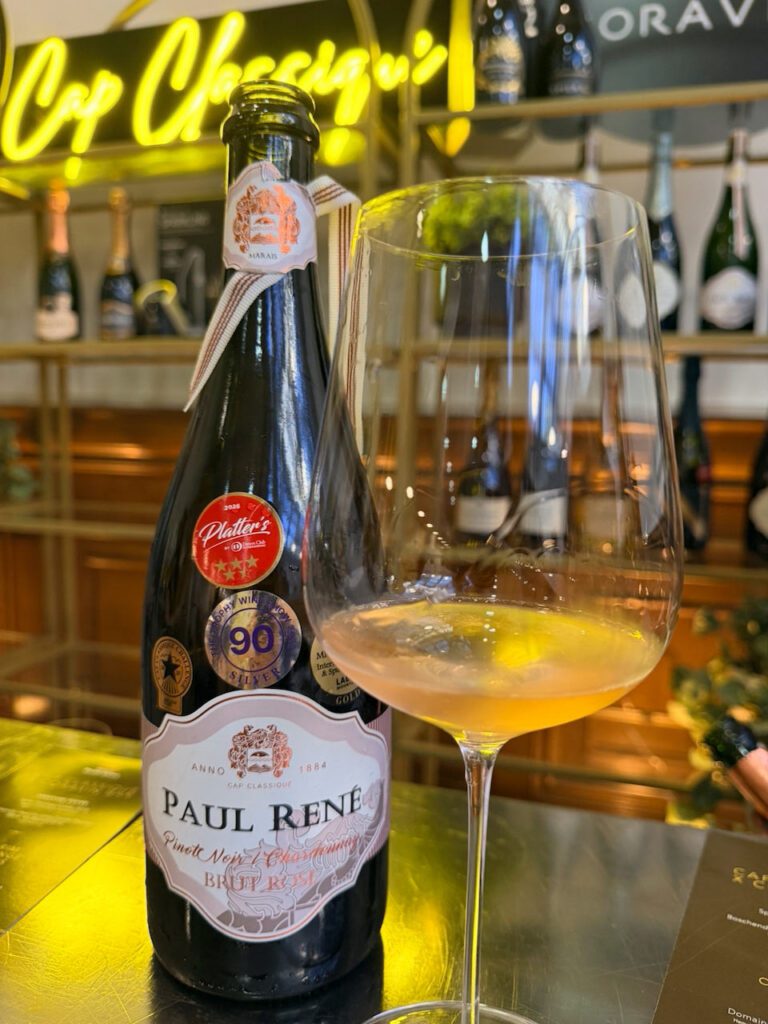
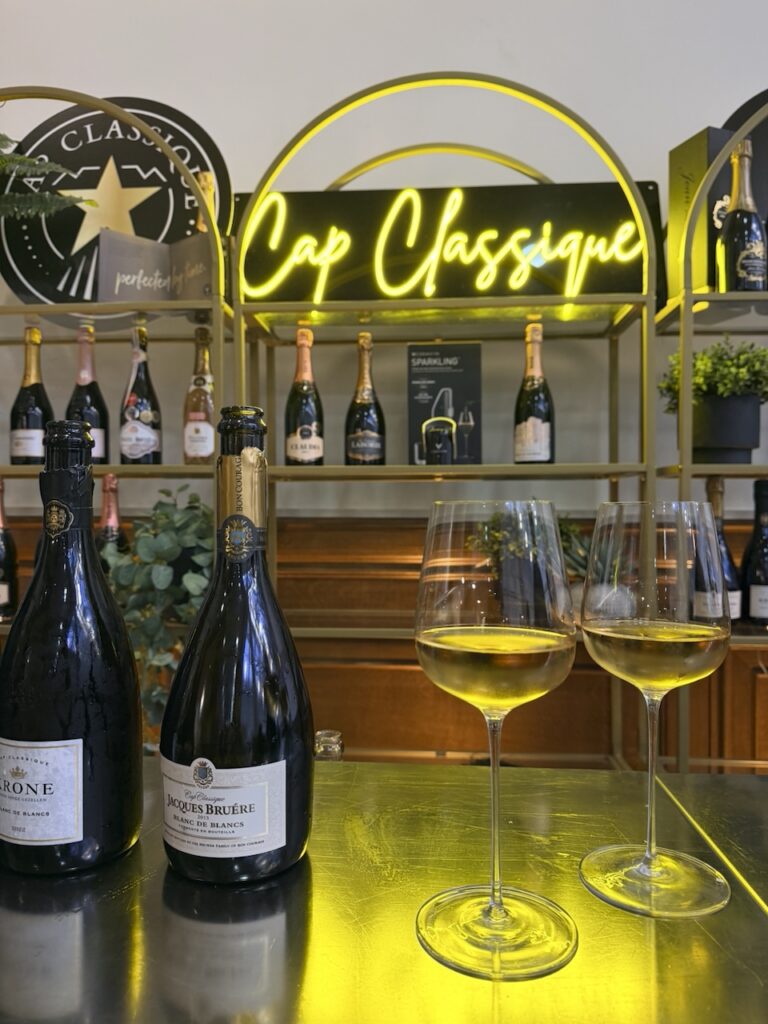
Cap Classique, South Africa’s traditional-method sparkling wine, remains a compelling category. Made using the same secondary-fermentation method as Champagne, these wines can offer fine bubbles, refreshing acidity and appealing complexity, with Chardonnay and Pinot Noir often playing leading roles. From crisp citrus and green apple to more developed notes of brioche and toasted nuts, Cap Classique demonstrates just how seriously South Africa takes its sparkling wines.


Exploring the producers
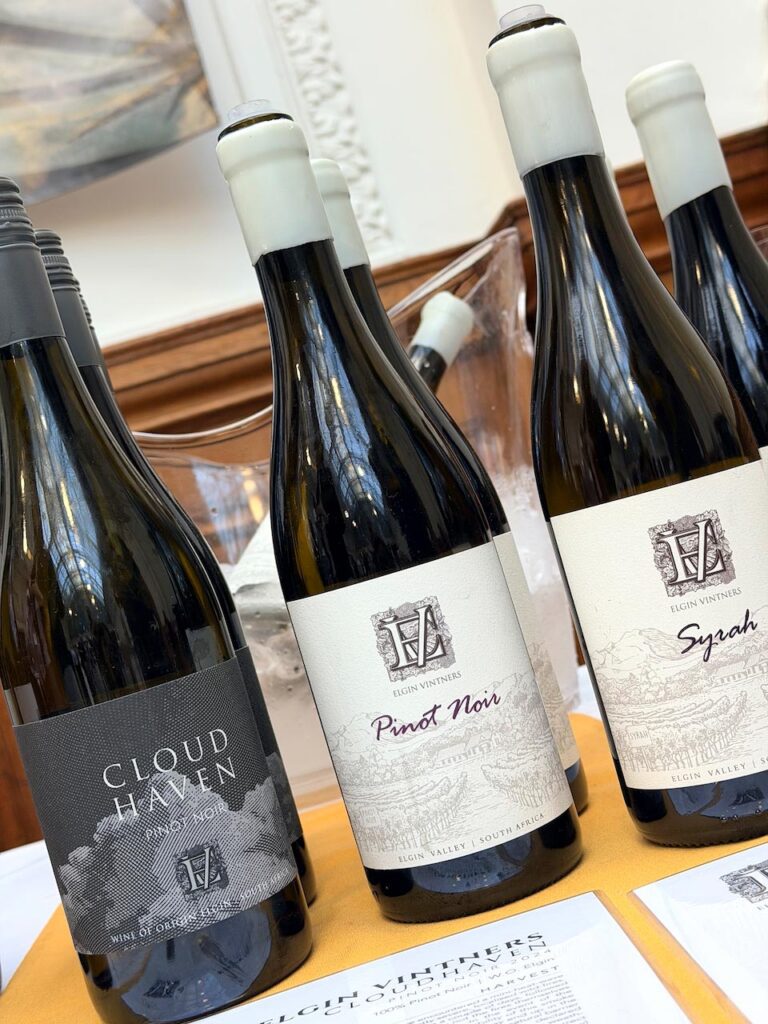
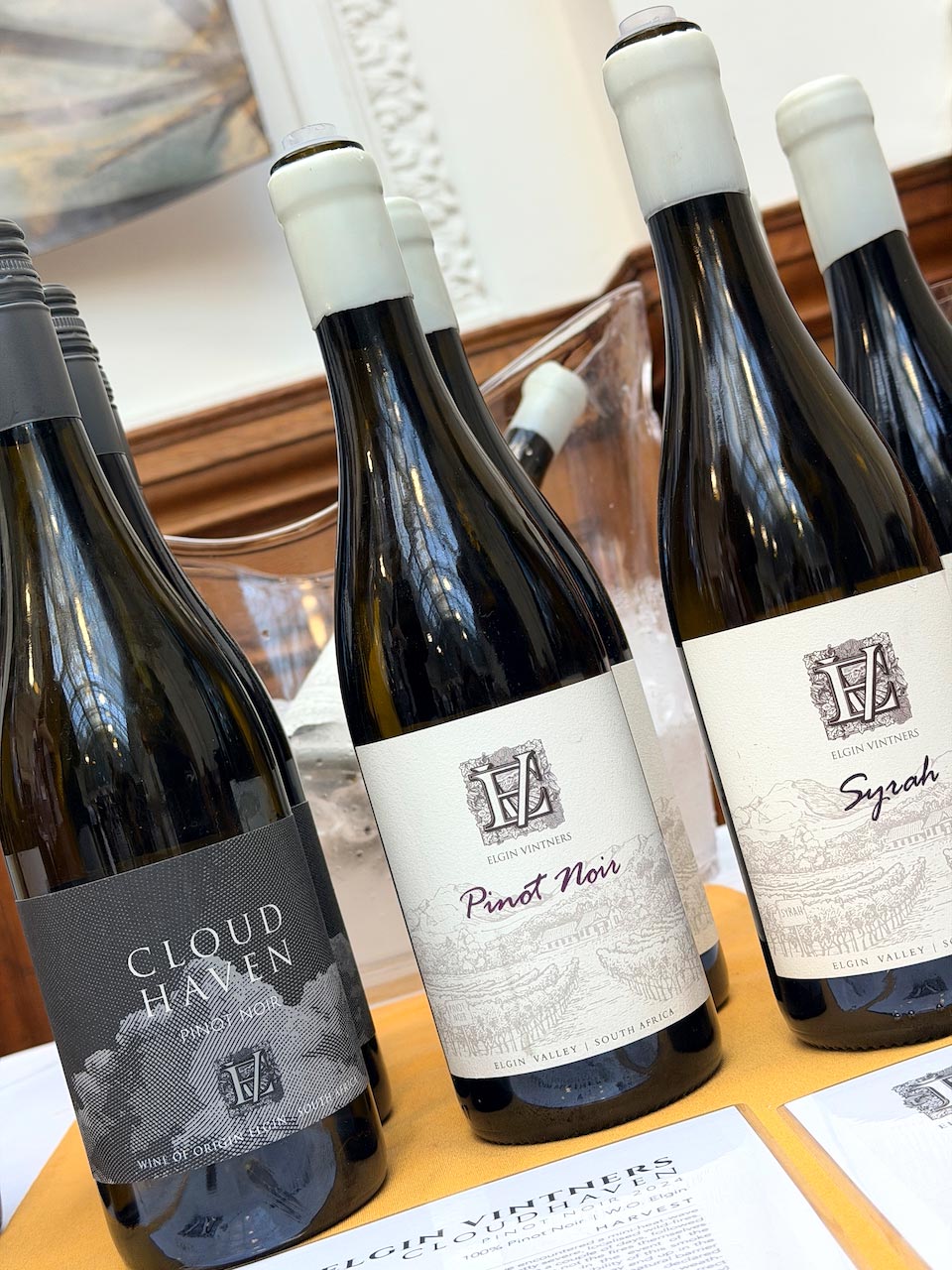
Elgin Vintners represents the appeal of Elgin’s cooler climate, where slower grape ripening can help preserve freshness, aromatic detail and precision. The region’s conditions make it particularly interesting for those seeking elegant, balanced wines with a clear sense of origin.
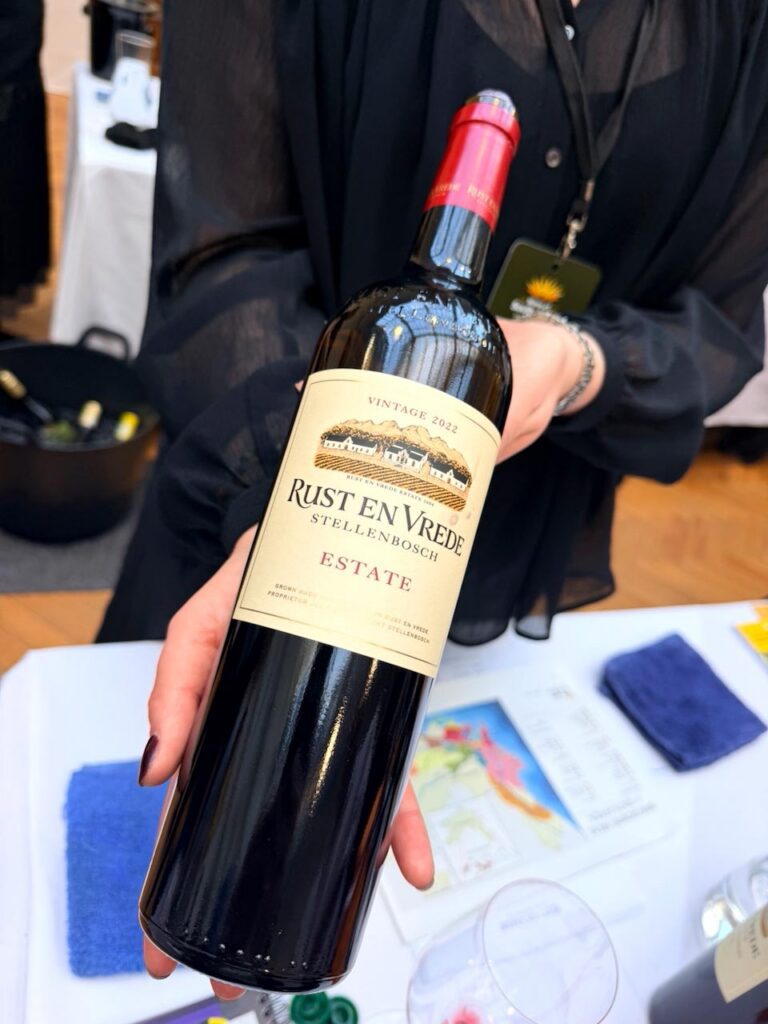
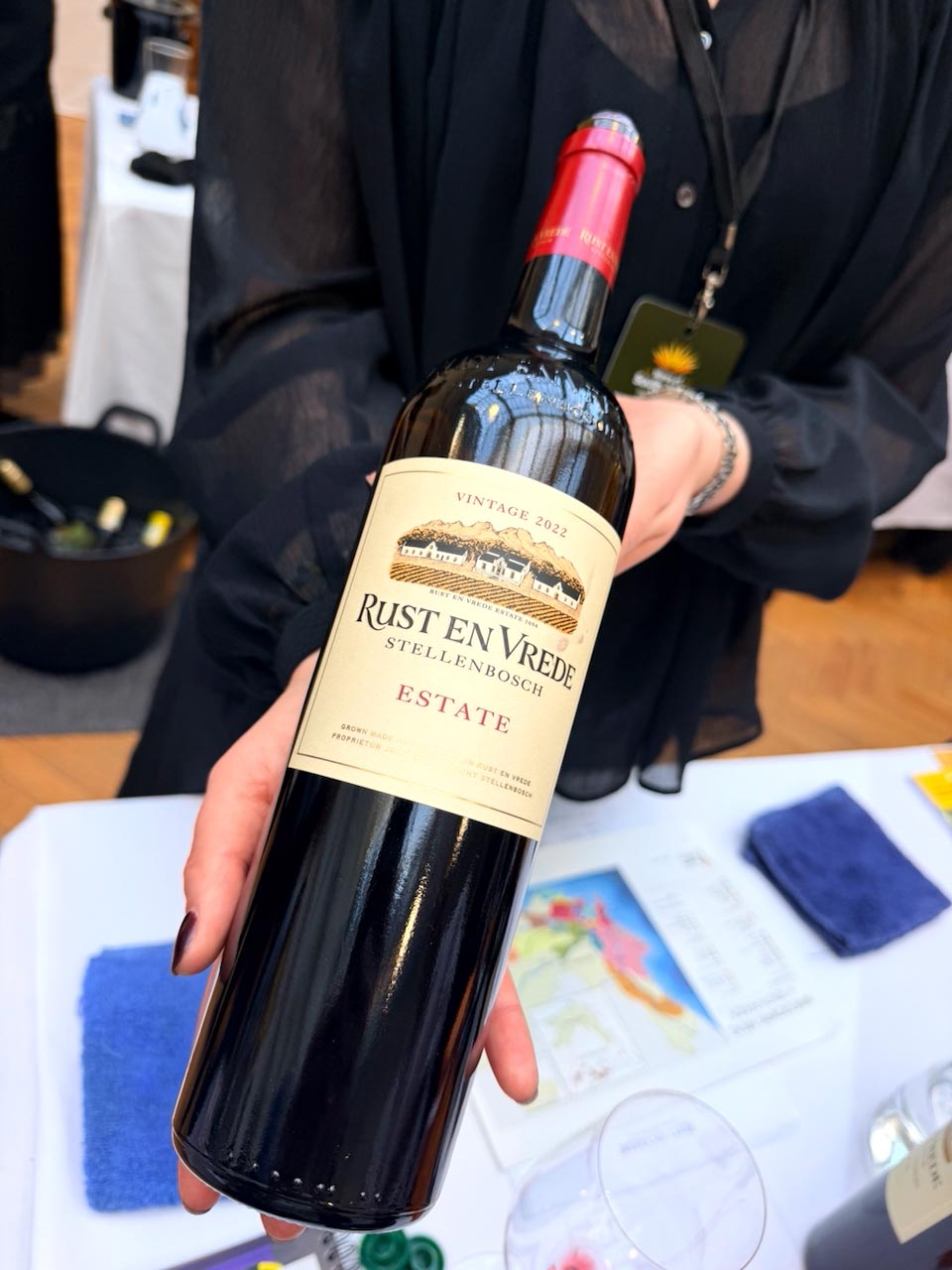
Rust en Vrede, Stellenbosch, brings the focus to the Cape’s red-wine heritage. Stellenbosch is renowned for its structured, full-bodied reds, particularly Cabernet Sauvignon and blends, and Rust en Vrede is a name closely associated with this tradition. Its wines are a reminder of the depth and ageing potential that South Africa’s premium red-wine producers can achieve.
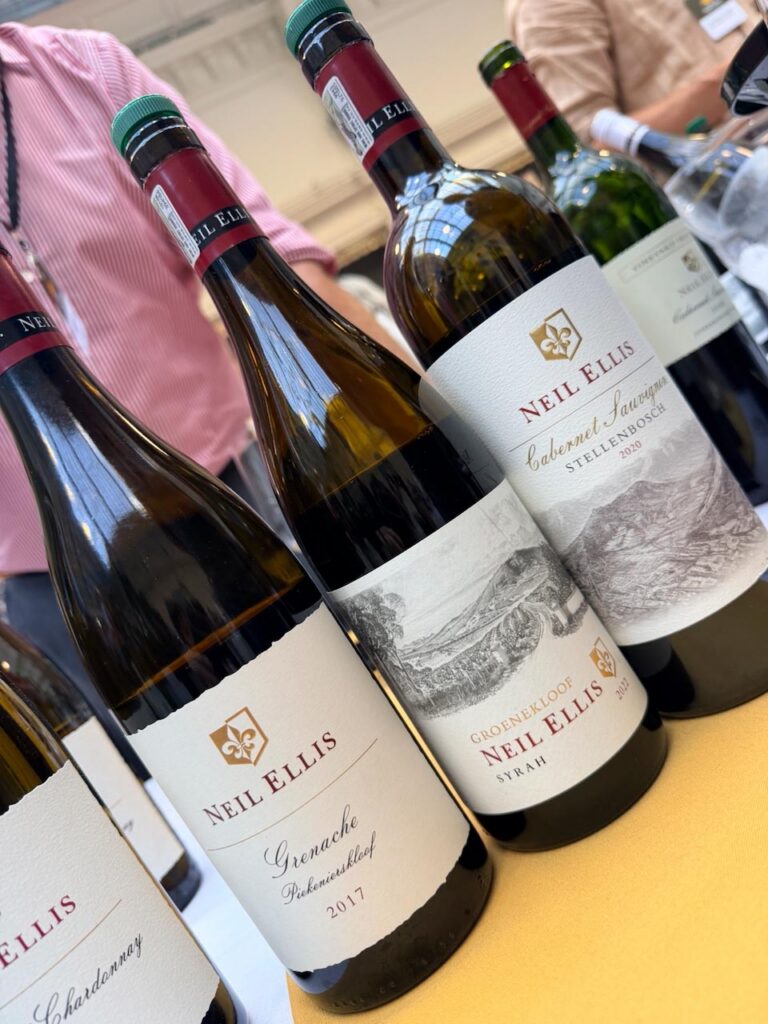
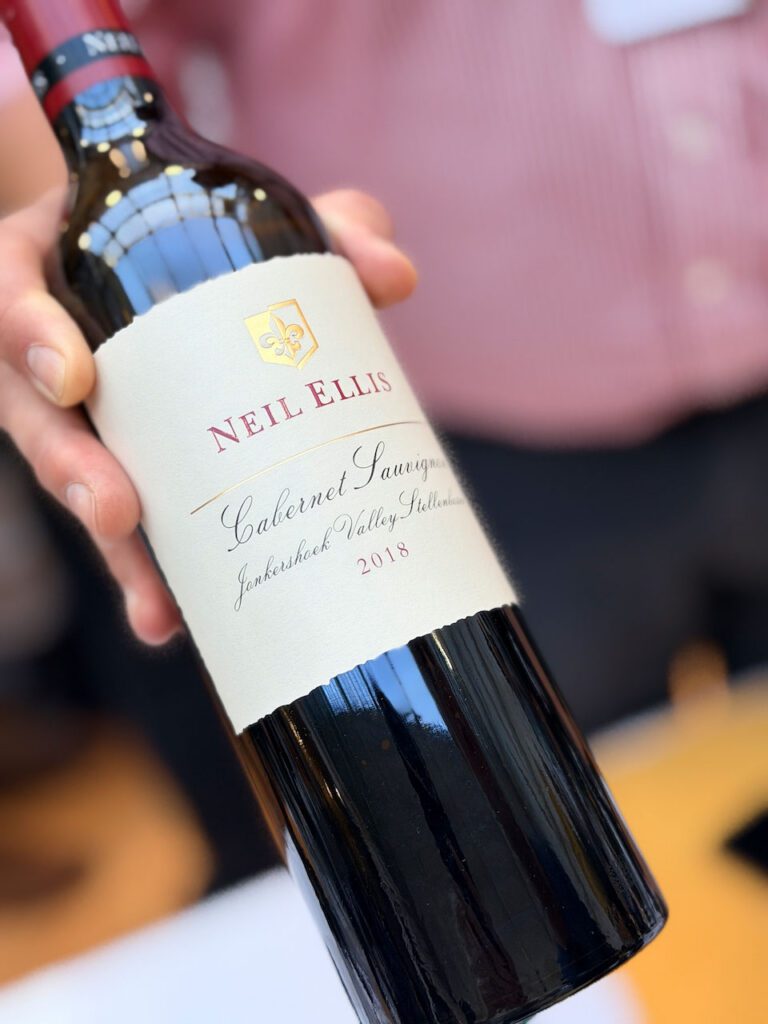
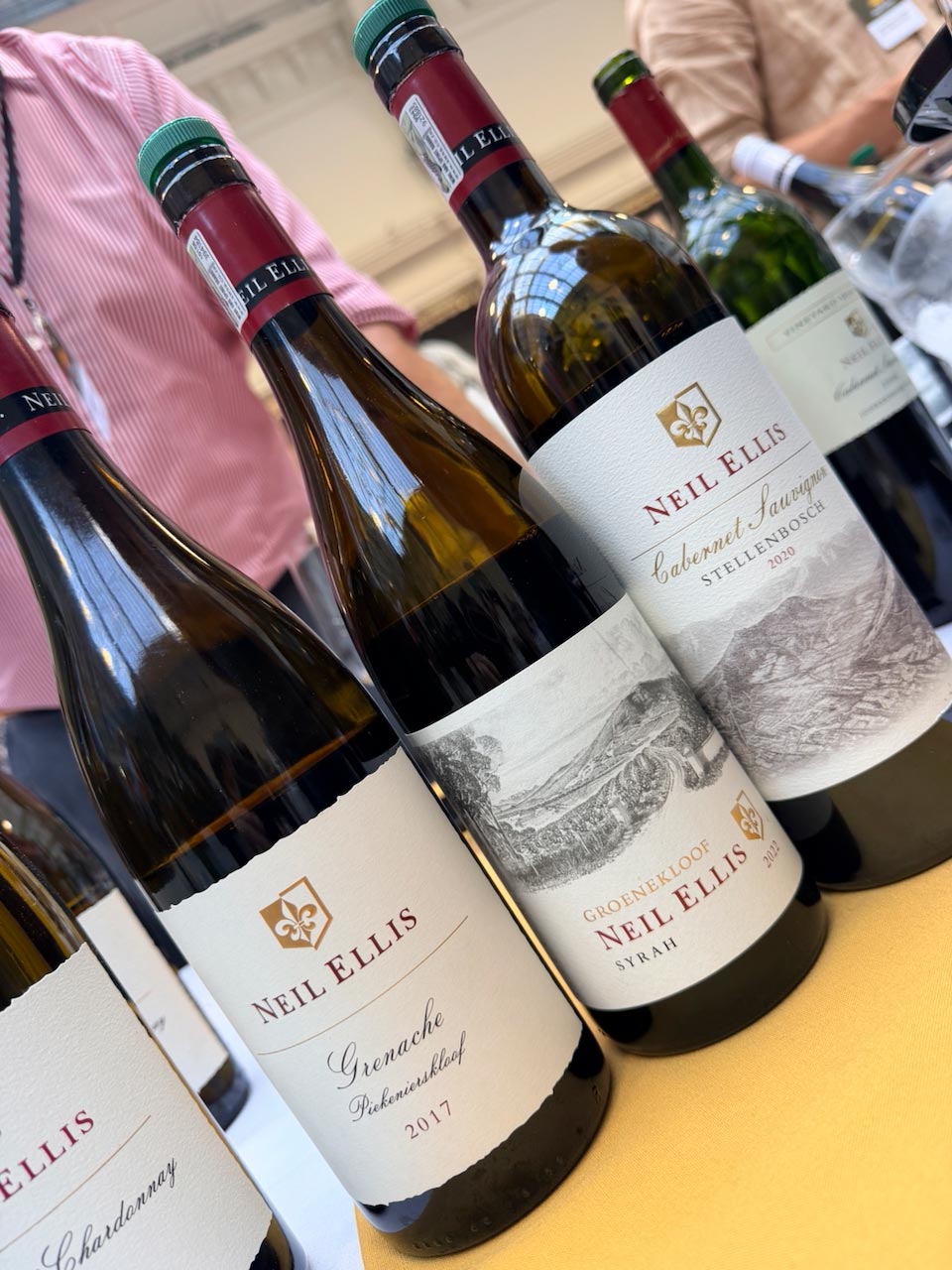
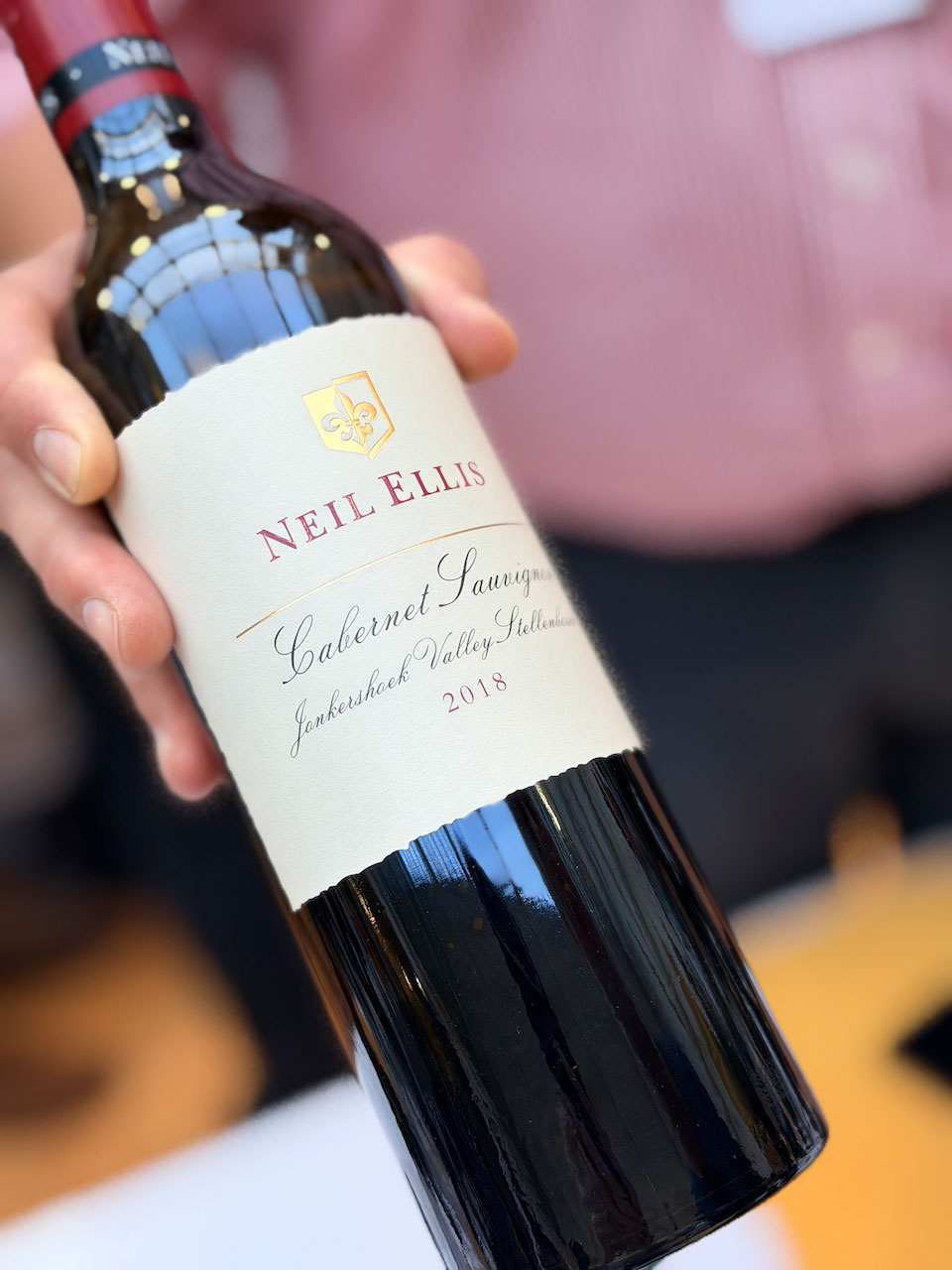
Neil Ellis highlights the importance of vineyard site and regional expression. With a reputation for exploring the character of different South African growing areas, the producer offers an interesting perspective on how climate and terroir influence a wine’s structure, freshness and personality.
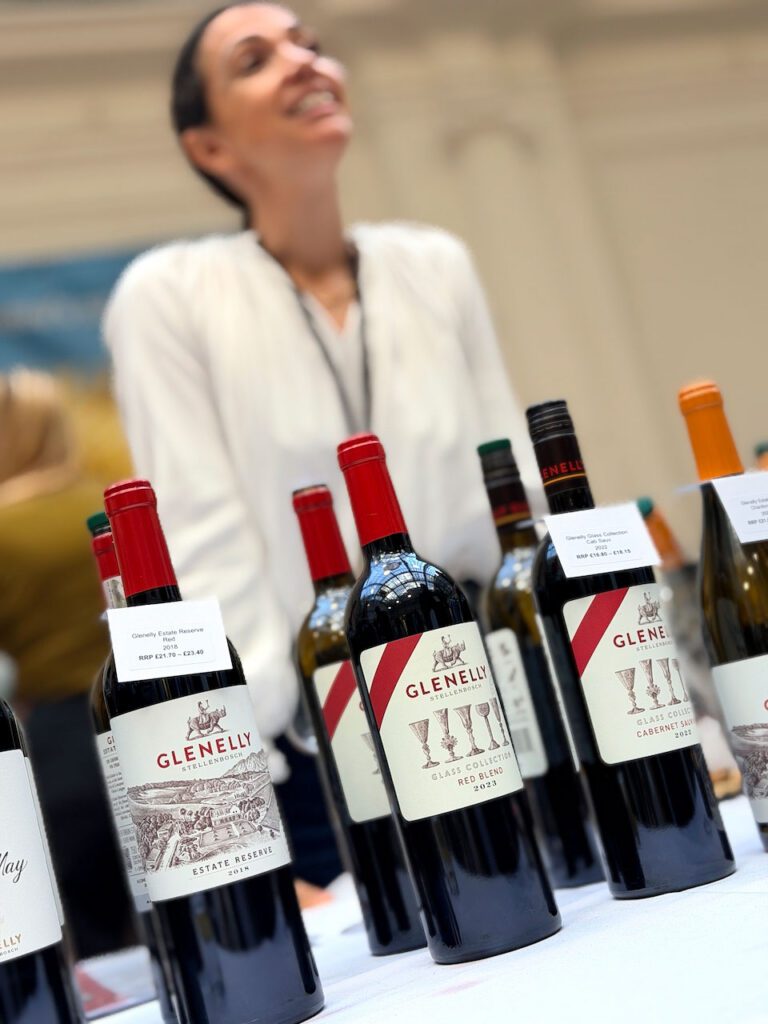
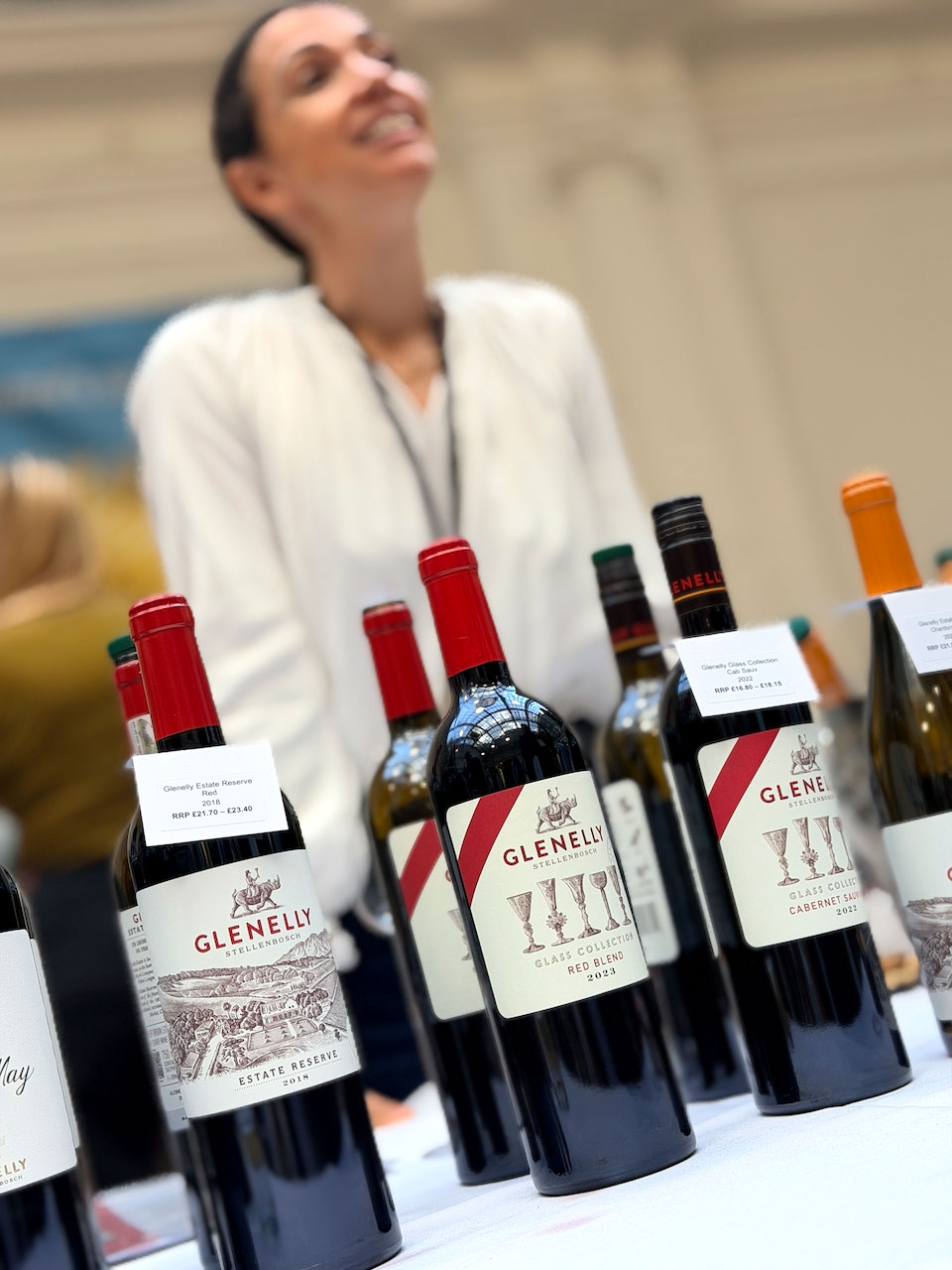
Glenelly, also based in Stellenbosch, adds another dimension to the story. Known for its Bordeaux-inspired reds and its use of Chardonnay, the estate combines the region’s natural richness with an emphasis on balance, elegance and structure. Its wines illustrate the versatility of Stellenbosch, where powerful fruit can sit comfortably alongside freshness and finesse.
What makes South African wine so engaging is the contrast between its regions and producers. Cool-climate vineyards bring aromatic precision and freshness, while warmer sites can deliver generous fruit, texture and depth. Alongside these differences is a growing appreciation for wines that express their origins rather than simply conforming to a particular international style.
The tasting also served as a reminder that South Africa offers much more than excellent value. Its producers are building distinctive identities across sparkling, white and red wines, with established names continuing to develop their reputations and regional diversity providing plenty for the trade to discover. The event highlighted a wine country with plenty of personality.
For wine professionals, importers, sommeliers and enthusiasts alike, South Africa remains a source of discovery; a place where tradition, innovation and a strong sense of terroir come together in the glass.