
There are few things left that genuinely surprise a seasoned gourmand.
And then there was Cape Town…
We arrived, as many Europeans do, lured first by the landscape, the theatrical rise of Table Mountain, the cold brilliance of the Atlantic, the wild, untamed beauty of the Cape. Food, if we were honest, was an afterthought. A pleasant supplement to scenery.
It took precisely one meal to correct us.
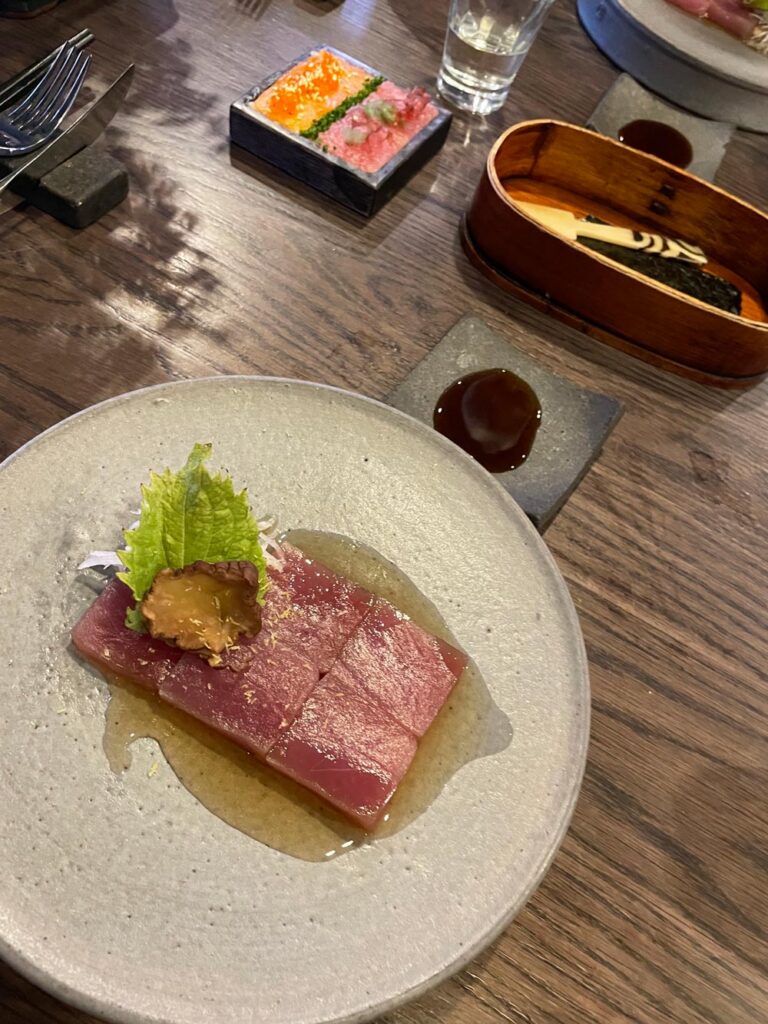
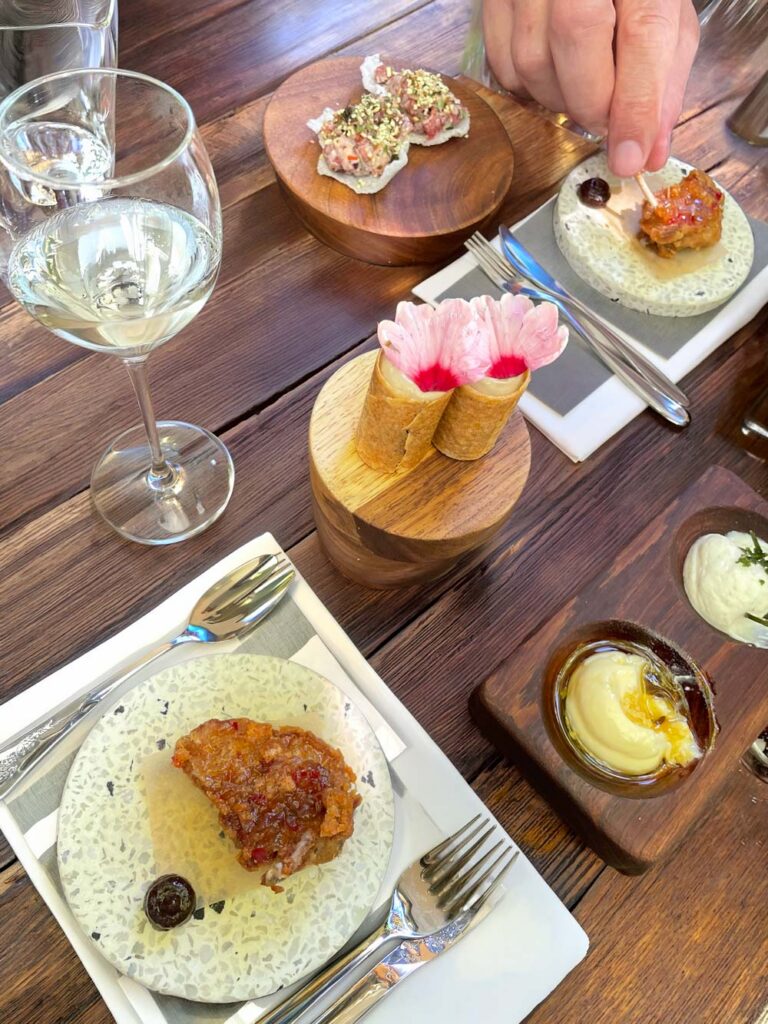
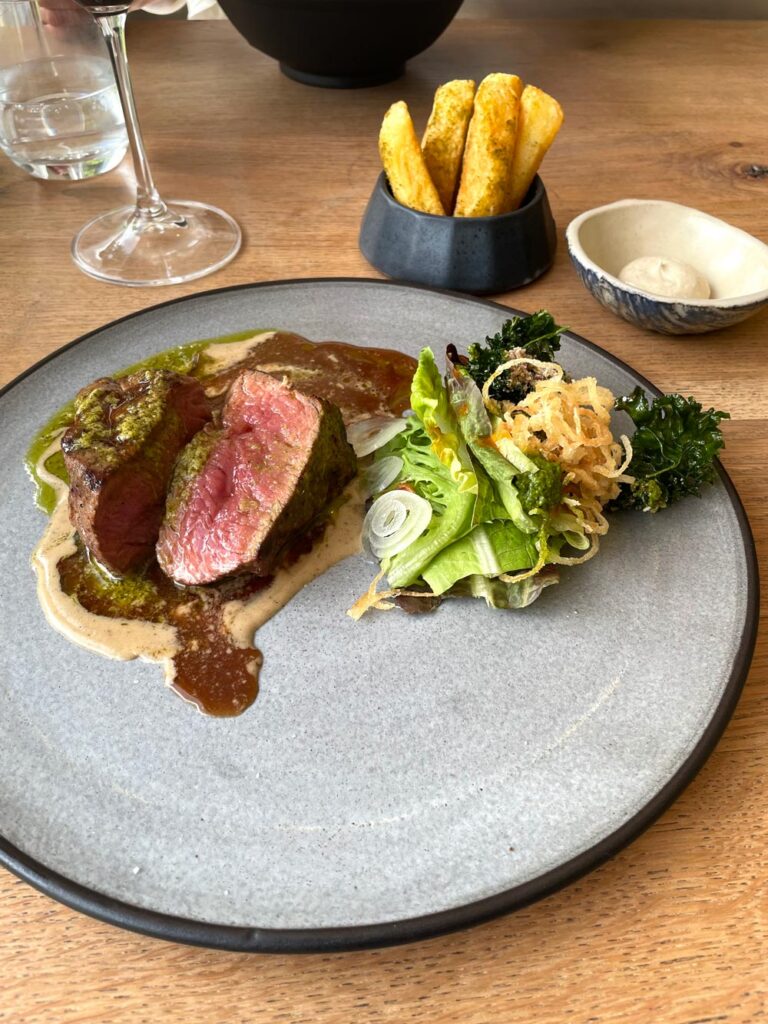
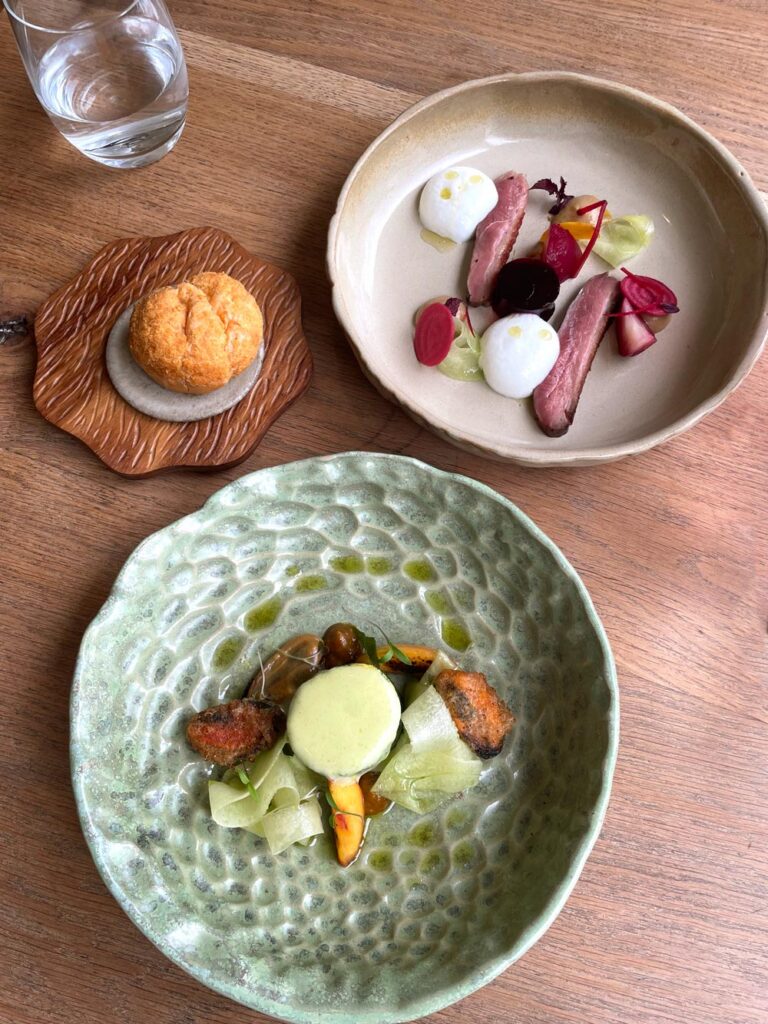
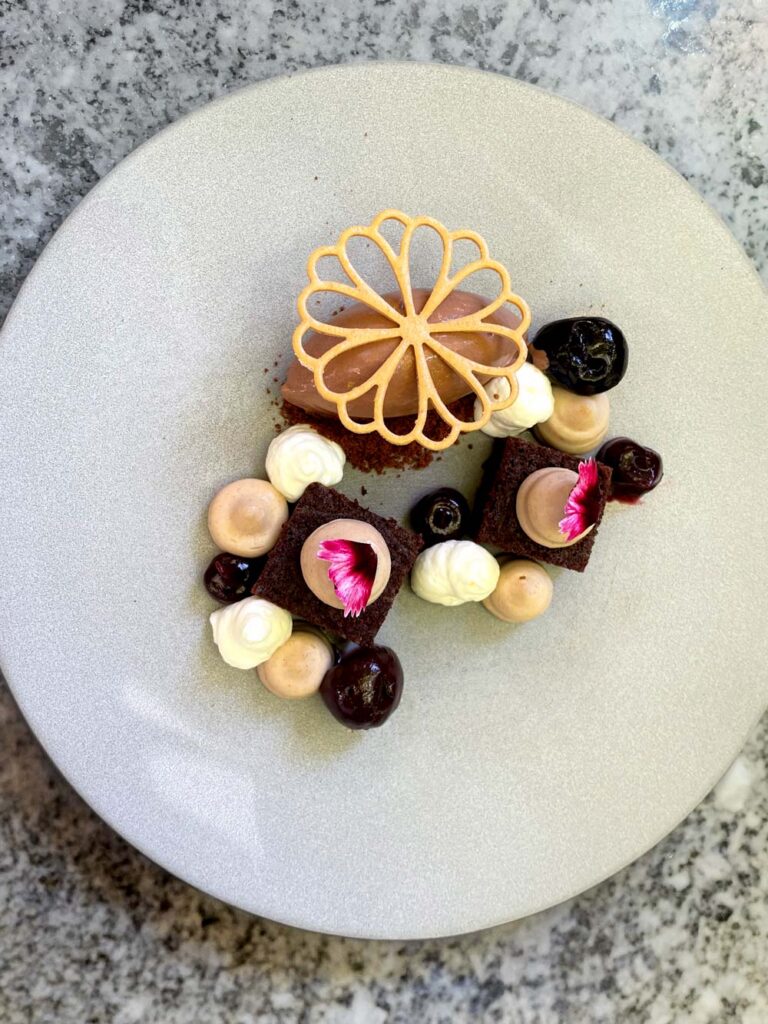
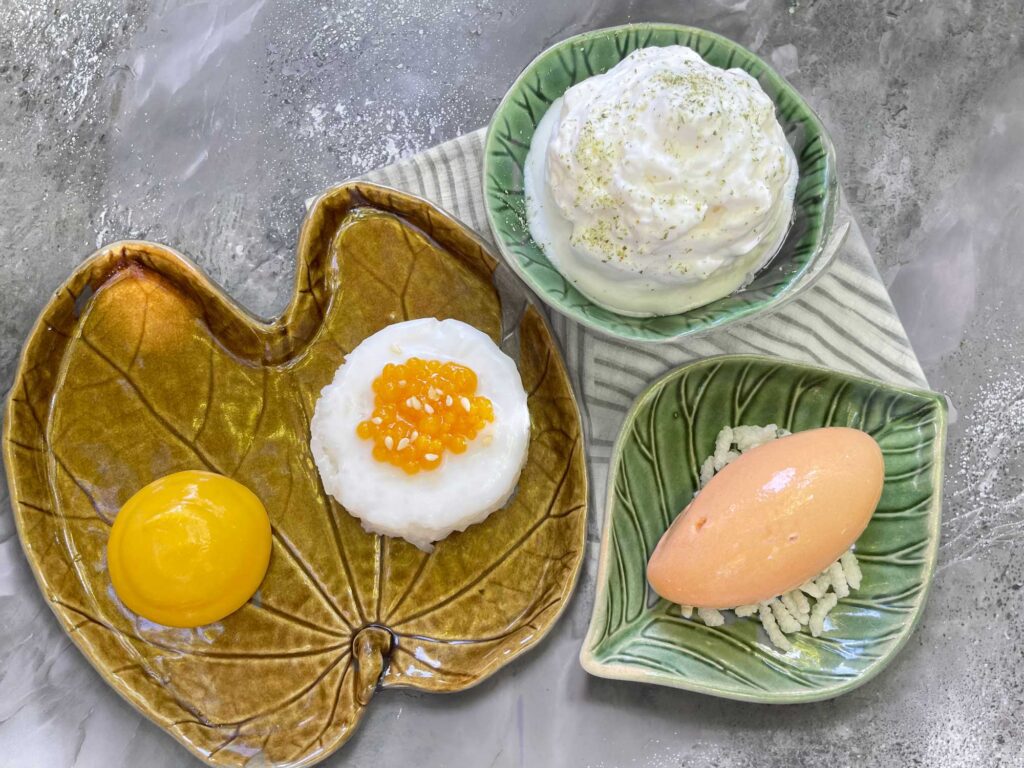
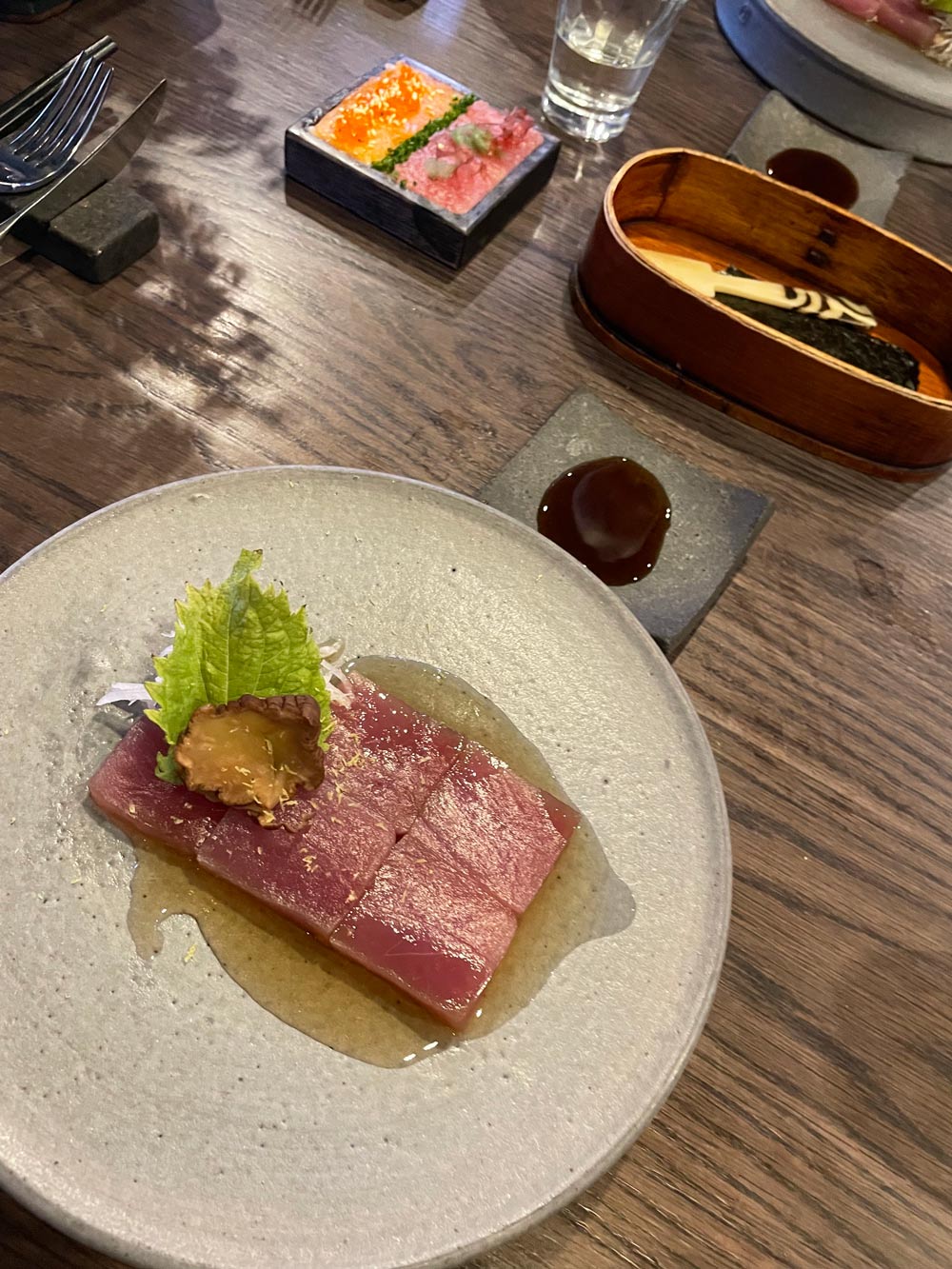
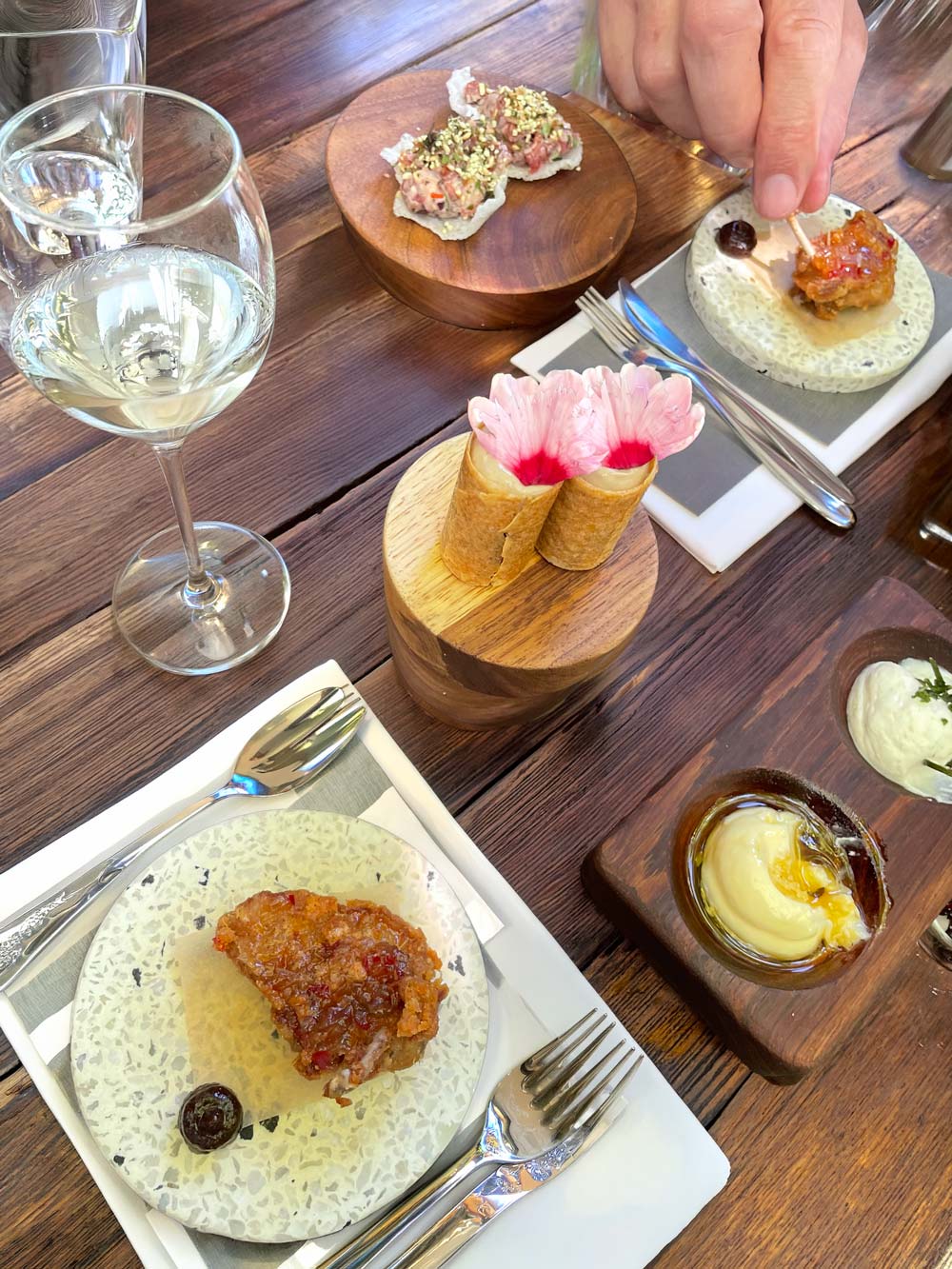
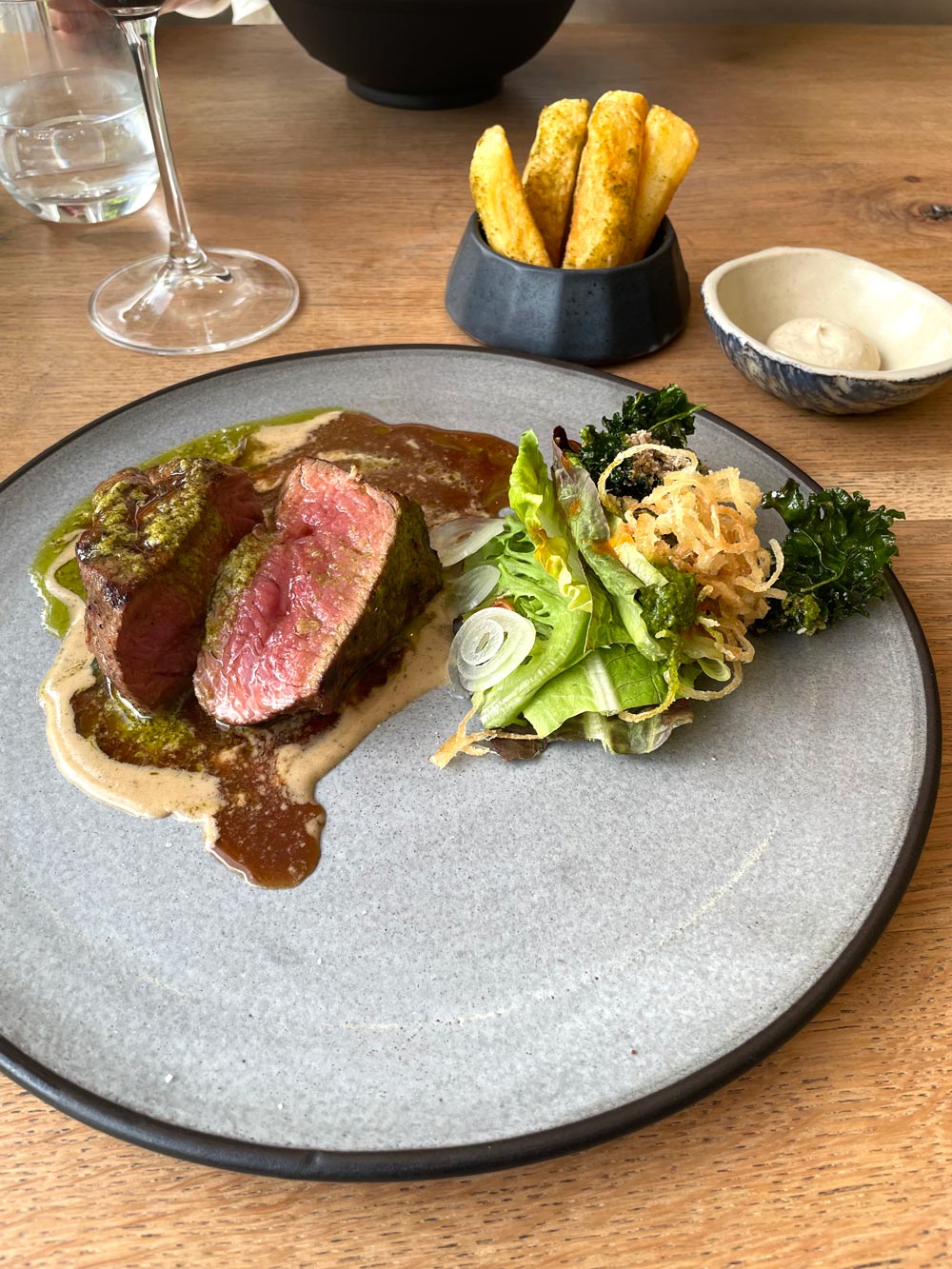
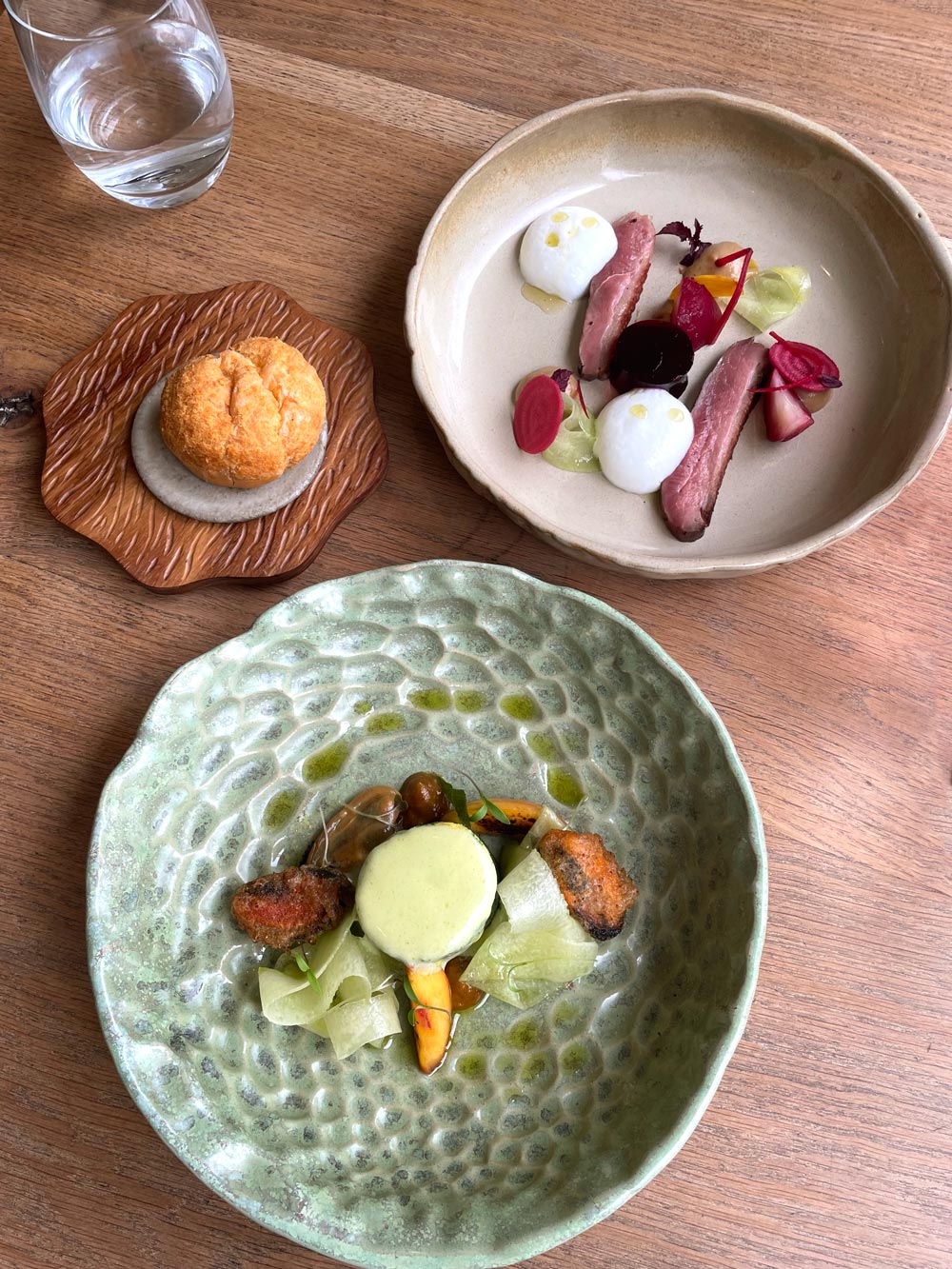
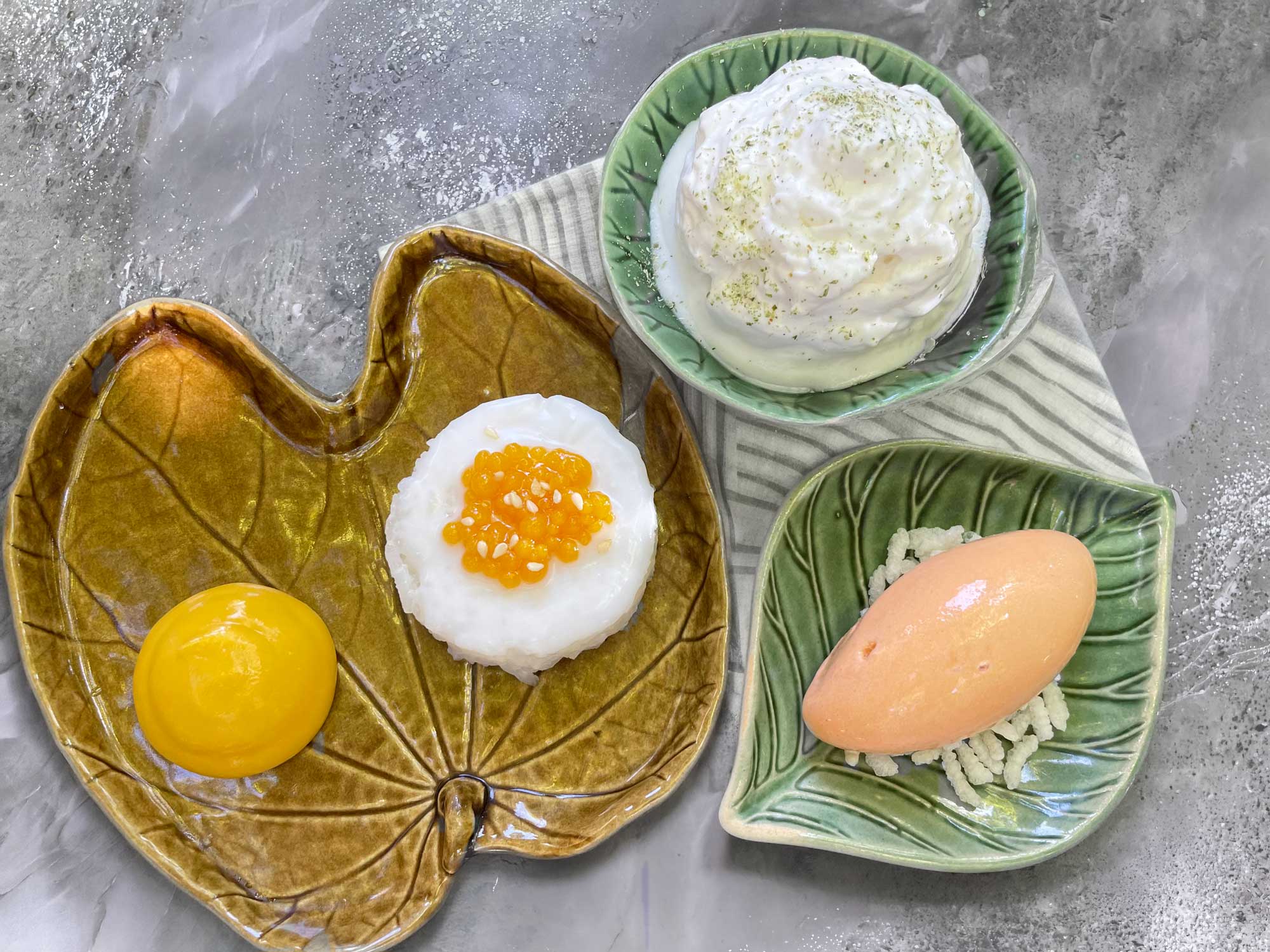
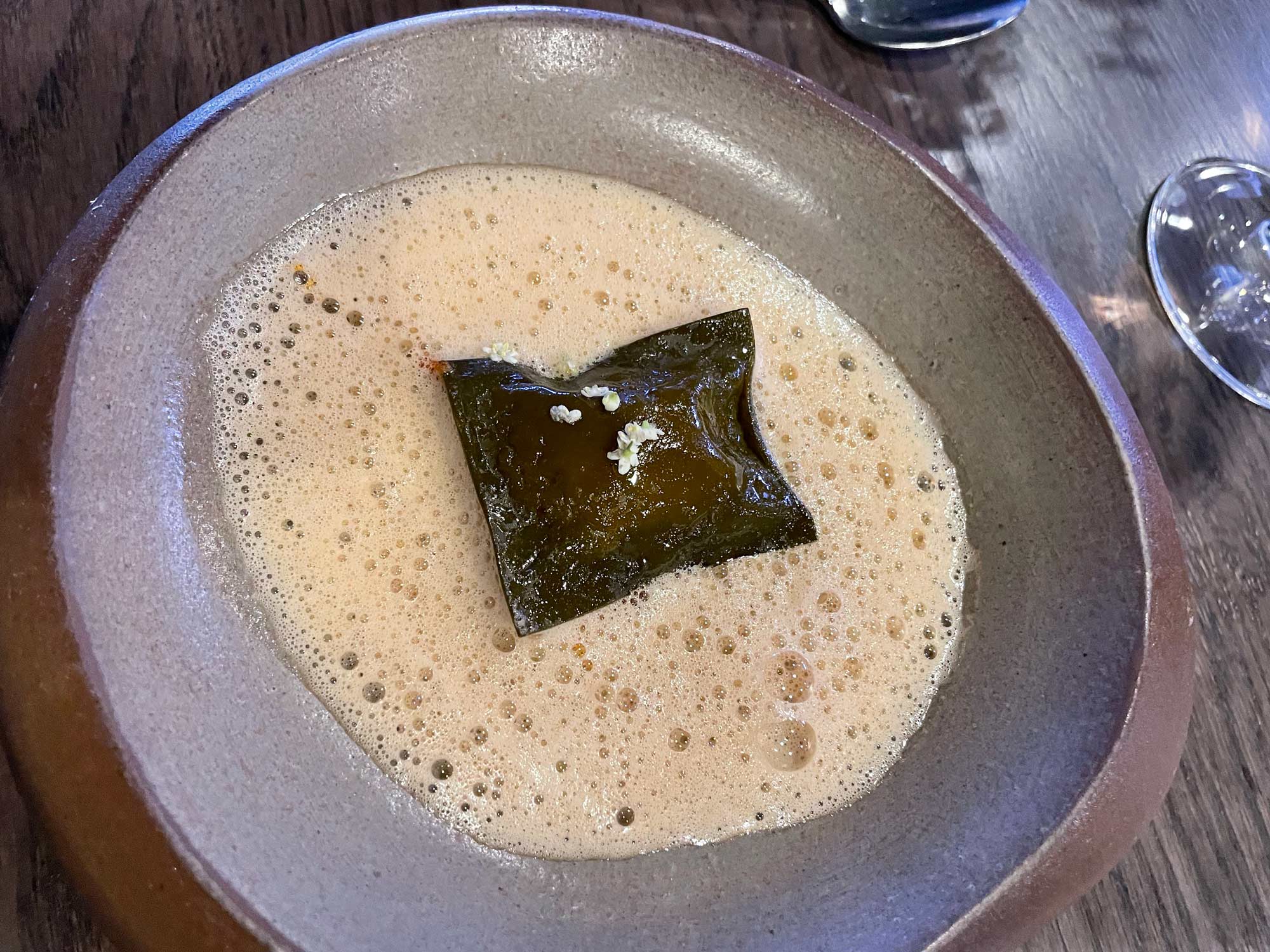
In a discreet dining room on the city’s edge, a chef scarcely into his thirties served us a sequence of plates that felt at once deeply personal and technically fearless. Snoek, lightly cured and kissed with citrus, resting beside a delicate emulsion of fermented maize. Springbok loin, perfectly blushed, accompanied by smoked pumpkin and wild herbs we could not name. A consommé infused with fynbos so fragrant it seemed to distil the mountain itself.
It was the sort of cooking one hopes to find at home; intelligent, restrained, deeply expressive. Yet the bill arrived with almost comic modesty. This, we would come to learn, is the Western Cape’s most seductive trick: world-class gastronomy without the punitive arithmetic Europe has come to accept as normal.
As we moved through the region; from the polished sophistication of Cape Town to the vineyard-wrapped serenity of Franschhoek and the youthful energy of Stellenbosch, we found ourselves constantly astonished. Here were chefs of international pedigree, many trained in Europe’s great kitchens, returning home not to imitate but to reinterpret.
Their canvas is extraordinary: Atlantic seafood, Karoo lamb, heirloom produce, indigenous herbs, Cape Malay spice traditions, and wines of startling clarity and character.
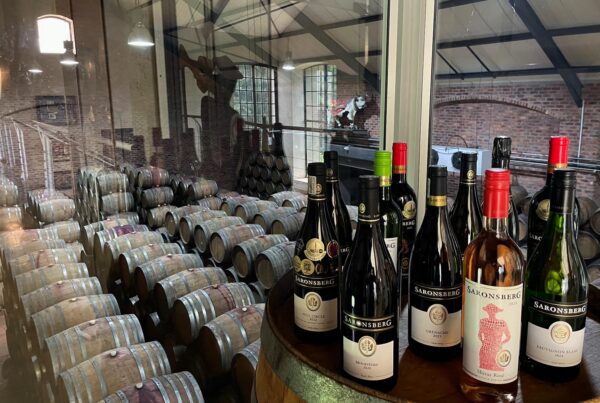
At a long lunch in Franschhoek, we tasted quail glazed with tamarind and honey, its richness sharpened by pickled nectarine. In Stellenbosch, a winemaker poured a Syrah of such mineral elegance it might have been mistaken for the northern Rhône, until the sun reminded us otherwise. Each course, each glass, seemed part of a wider conversation between land, history, and ambition.
What struck us most was not merely the quality, but the confidence. It reminded us of what fine dining ought to be before luxury became performance: generous, rooted, and thrillingly alive.
European gastronomy often leans heavily on heritage, on the weight of tradition. The Western Cape, by contrast, cooks with a lighter hand and a freer spirit. Its finest chefs are unburdened by centuries of expectation. They are playful where Europe can be solemn, inventive where Europe can be rigid.
The experience left us with the peculiar satisfaction that only true discovery affords. Not merely the memory of excellent meals, but the excitement of having witnessed a place in full creative ascent. A place where one can indulge without compromise, discover without pretension, and leave with the quiet suspicion that the future of gourmet dining may well be unfolding at the southern tip of Africa.